
Ilocano Epic • Northern Luzon
1. Biag ni Lam-ang
A heroic tale of Lam-ang, a child blessed with supernatural abilities, who embarks on adventures to avenge his father and win the heart of Ines Kannoyan.
Echoes of indigenous memory, mythical heroics, and chants across the archipelago.

Long before paper and ink arrived on island shores, Philippine literature thrived as a living art form. Stories were etched into memory and performed aloud through ritual chants, harvest songs, and community assemblies.
Community elders and designated bards sang stories for days, preserving history, genealogy and culture without written records.
Epics were performed during rituals, harvest celebrations and important gatherings to honor ancestors and strengthen community identity.
Four of the selected works (Biag ni Lam-ang, Hudhud, Hinilawod and Darangan) are authentic pre-colonial oral epics. Ibong Adarna is a Spanish-era korido that later became one of the Philippines' most celebrated literary works.
A heroic tale of Lam-ang, a child blessed with supernatural abilities, who embarks on adventures to avenge his father and win the heart of Ines Kannoyan.

An ancient Ifugao chant performed during rice planting, harvesting and funeral rituals, telling the story of peace between rival warriors.

A classic literary romance about three princes searching for the magical bird whose song can cure their father.
One of the world's longest oral epics, telling the adventures of the demigod brothers of Panay.
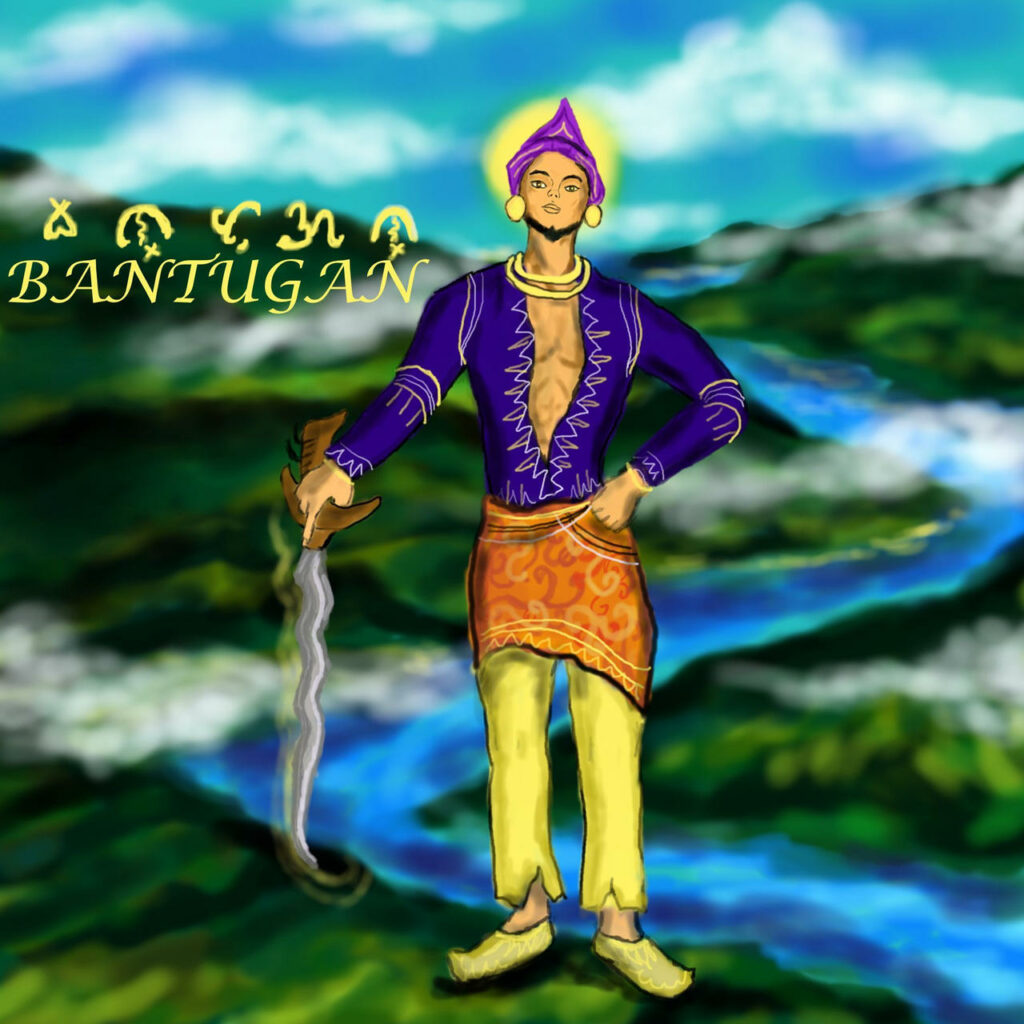
An UNESCO-recognized masterpiece of oral literature telling the legendary adventures of Prince Bantugan.