Spanish Colonial Period
1565 – 1898
Literature during this era focused largely on religion, Christian teachings, European literary traditions, and dramatic performances introduced by Spanish missionaries. Although heavily influenced by colonial rule, Filipino writers gradually used literature to express patriotism and social criticism.

Books & Catechism
Religious texts became the earliest printed works in the Philippines. Doctrina Christiana (1593) was the first printed book used by Spanish missionaries to spread Christianity using Spanish and Tagalog written in Baybayin.
Read Digital CopyNarrative poems and folk songs flourished throughout the Spanish period. Works such as Florante at Laura by Francisco Balagtas showcased romance, heroism, morality, and patriotism while traditional songs like Leron Leron Sinta remained popular among Filipinos.
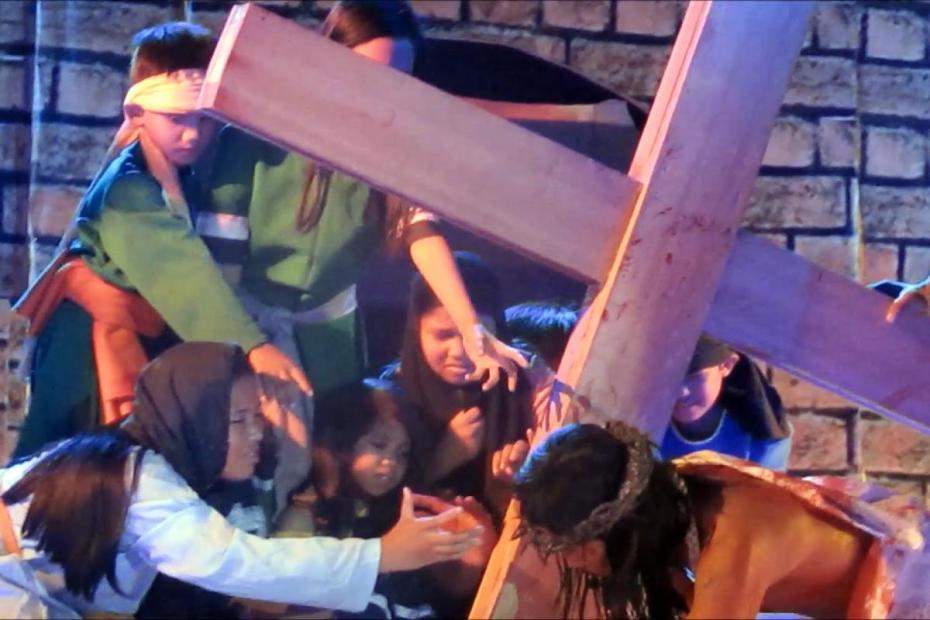
Senakulo
The Senakulo is a dramatic reenactment of the Passion, Death, and Resurrection of Jesus Christ. Traditionally performed during Holy Week, it combines acting, music, costumes, and verse narration to teach Christian beliefs.
Learn MoreMoro-Moro (Komedya)
Moro-Moro or Komedya portrayed battles between Christians and Muslims. Introduced by the Spaniards, these performances reflected European ideals while becoming one of the country's most recognizable traditional stage plays.
Read ArticleZarzuela
Zarzuela blended spoken dialogue, music, dance, and theatrical storytelling. Filipino playwrights later transformed it into a medium for subtle social criticism and national awareness.
NCCA ArchiveDuplo & Balagtasan
Duplo was a poetic debate held during funeral wakes, while Balagtasan evolved into a public poetic contest honoring Francisco Balagtas. These performances showcased wit, eloquence, and mastery of the Filipino language.
American Colonial Period
1901 – 1945
The American period introduced English through public education and opened Philippine literature to new genres such as essays, novels, newspapers, and modern short stories while encouraging education and democratic ideals.

Dead Stars
Written by Paz Marquez-Benitez, Dead Stars (1925) is regarded as the first modern Philippine short story in English. It explores love, illusion, regret, and emotional conflict through realistic storytelling.
Read StoryEssays & Political Commentary
During the American occupation, Filipino intellectuals used essays to discuss nationalism, education, culture, and independence. One of the best known examples is Carlos P. Romulo's I Am a Filipino, a patriotic essay celebrating Filipino identity.
Historical ArchiveBanaag at Sikat
Lope K. Santos' Banaag at Sikat became one of the most influential Tagalog novels of the American period. The novel discusses social justice, workers' rights, poverty, and nationalism.
English Literature
Public education established by the Thomasites introduced English as the language of instruction. Filipino writers quickly mastered English, allowing Philippine literature to gain international recognition through poetry, fiction, essays, and journalism.
Modern Poetry
Poetry evolved beyond religious themes, embracing freedom, love, nature, social issues, and patriotism. Many Filipino poets experimented with Western literary forms while preserving local culture and identity.
A New Literary Era
The American period transformed Philippine literature into a modern discipline. Through newspapers, schools, universities, and publishing houses, Filipino writers reached wider audiences and laid the foundation for contemporary Philippine literature.
Japanese Colonial Period
1942 – 1945
During the Japanese Occupation, English publications were prohibited, leading to the revival of literature written in Tagalog and other Philippine languages. Despite censorship, writers expressed patriotism, hope, and resilience through poetry, short stories, and essays.

Haiku & Tanaga
The Japanese occupation encouraged the use of Filipino languages in literature. Traditional forms such as the Tanaga experienced a revival while the Japanese Haiku influenced Filipino poets to write concise, meaningful verses inspired by nature, life, and patriotism.
Wartime Literature
Limited resources and censorship forced writers to create short stories centered on rural life, family, hope, and national identity. One well-known example is Lupang Tinubuan by Narciso Reyes, which reflects love for one's homeland during difficult times.
Reflections During War
Filipino writers produced essays, memoirs, and autobiographical works that documented the hardships of war, occupation, and the resilience of the Filipino people.
Revival of Tagalog
Since English publications were prohibited, writers returned to Tagalog and regional languages. This period strengthened the appreciation of native literature and inspired many authors to write for the Filipino people.
A Time of Resilience
Although brief, the Japanese occupation significantly influenced Philippine literature by encouraging local languages and inspiring works that reflected courage, sacrifice, freedom, and hope.
The Colonial Legacy
The Spanish, American, and Japanese periods each introduced new literary forms, languages, and perspectives. Together, they shaped Philippine literature into a rich collection of works that continue to preserve our history, culture, identity, and national consciousness.